
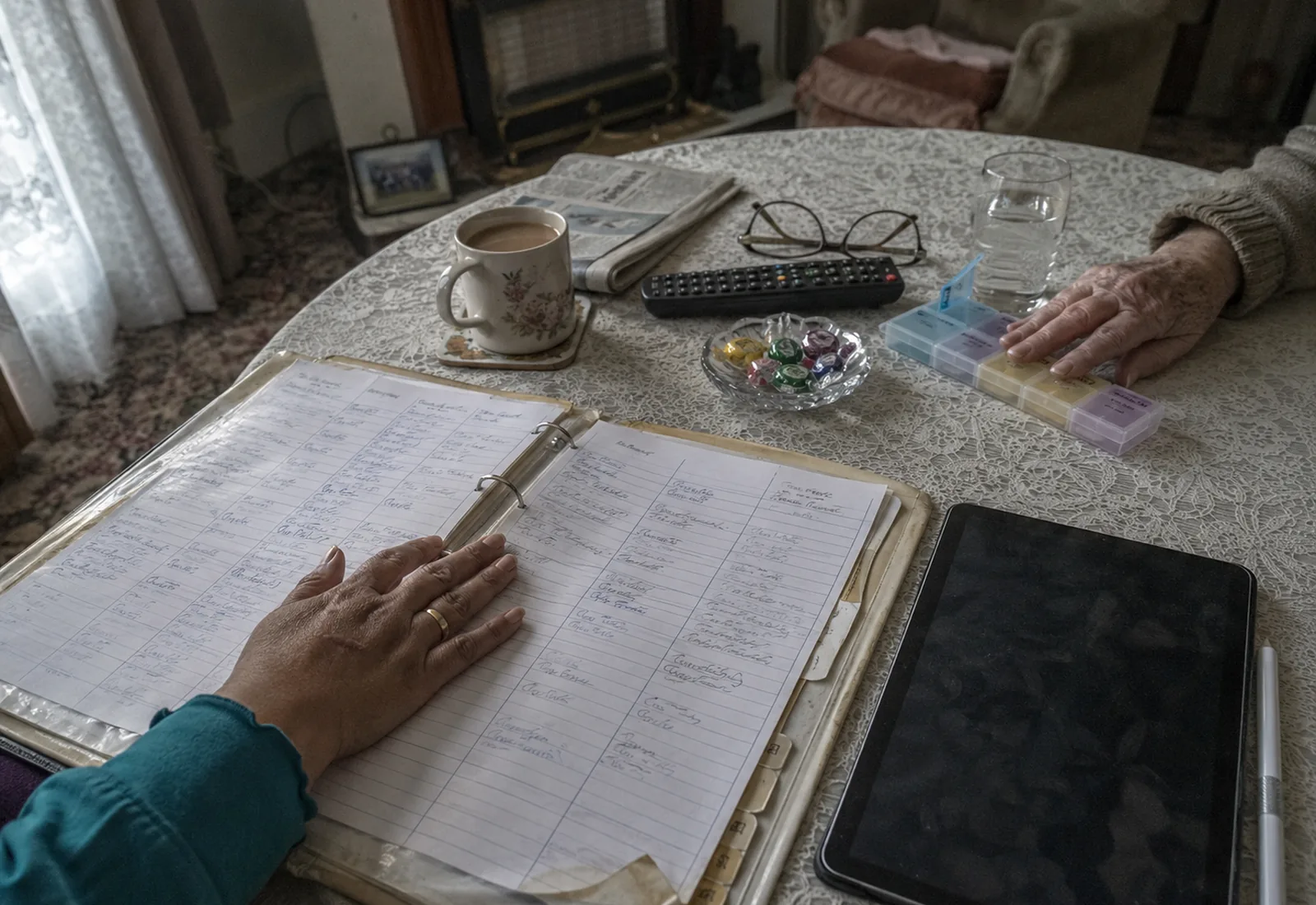
Providing quality home care in the UK is both deeply rewarding and, at times, challenging. From our experience, care plans are central to delivering personalised support - whether that means helping an elderly client with daily routines, managing complex health needs, or coordinating several care workers around one person.
In many home care settings, traditional paper-based care plans slow things down, increase the risk of mistakes, and make consistent care harder to deliver. That is why Care Esteem was built around a living digital record rather than a static file.
What is a care plan in home care?
A care plan is essentially a roadmap for the support a client needs. It outlines their individual needs, preferences, daily routines, and health conditions, so every caregiver knows exactly what to provide, when, and how. It also acts as a record of the care delivered - which is crucial for meeting UK regulations such as the Care Quality Commission (CQC) standards.
Paper-based plans, by contrast, can be difficult to keep up to date, easy to misplace, and tricky to share among staff - particularly when several caregivers are working across different households. Care Esteem replaces that with one profile every carer can see.
Why digitisation matters
Moving care plans into a digital format with Care Esteem can transform how a home care agency operates. Five benefits stand out:
- Improved accuracy and consistency - every caregiver works from the same up-to-date client record, with updates made in real time so nothing is missed between shifts.
- Better compliance with UK regulations - records are securely stored in a tamper-evident audit trail, making it far easier to demonstrate CQC compliance during inspections.
- Enhanced communication - plans can be shared with families and professionals with the right permissions, keeping everyone informed.
- Time savings and efficiency - less time spent on documentation means more time delivering hands-on care, which benefits both staff and clients.
- Data-driven insights - digital plans let agencies track every visit and task, monitor health changes, and spot areas for improvement.
“Digitising care plans is not just about going paperless. It is about improving the quality of care.”
For home care providers in the UK, that shift makes day-to-day operations smoother and compliance simpler. Care Esteem empowers caregivers, helps keep clients safe, and lets agencies focus on what really matters - delivering compassionate, personalised home care.